


2.4 Play, coping and competence
Play has an essential role in building children’s resilience across adaptive systems – pleasure, emotion regulation, stress response systems, peer and place attachments, learning and creativity. These benefits arise from play’s unpredictability, spontaneity, nonsense and irrationality, and also from children’s sense of control” (Lester & Russell, 2010, p. 52).
Play is complex and not all that well understood. Even defining what play is has been challenging for researchers.
The following paper, published by the LEGO Foundation, provides an overview of play research related to five types of play; physical play, play with objects, symbolic/semiotic play, pretend play and games with rules. After you have read the paper, try the interactive review that follows.
The importance of outdoor play in particular is becoming well documented. The link below is to the topic outdoor play in the Encyclopedia on Early Childhood Development. It includes a synthesis that highlights key information. See other tabs for research findings and practical implications on issues ranging from the benefits of outdoor play, to inclusive outdoor play environments, and indigenizing outdoor play.
Imaginative play
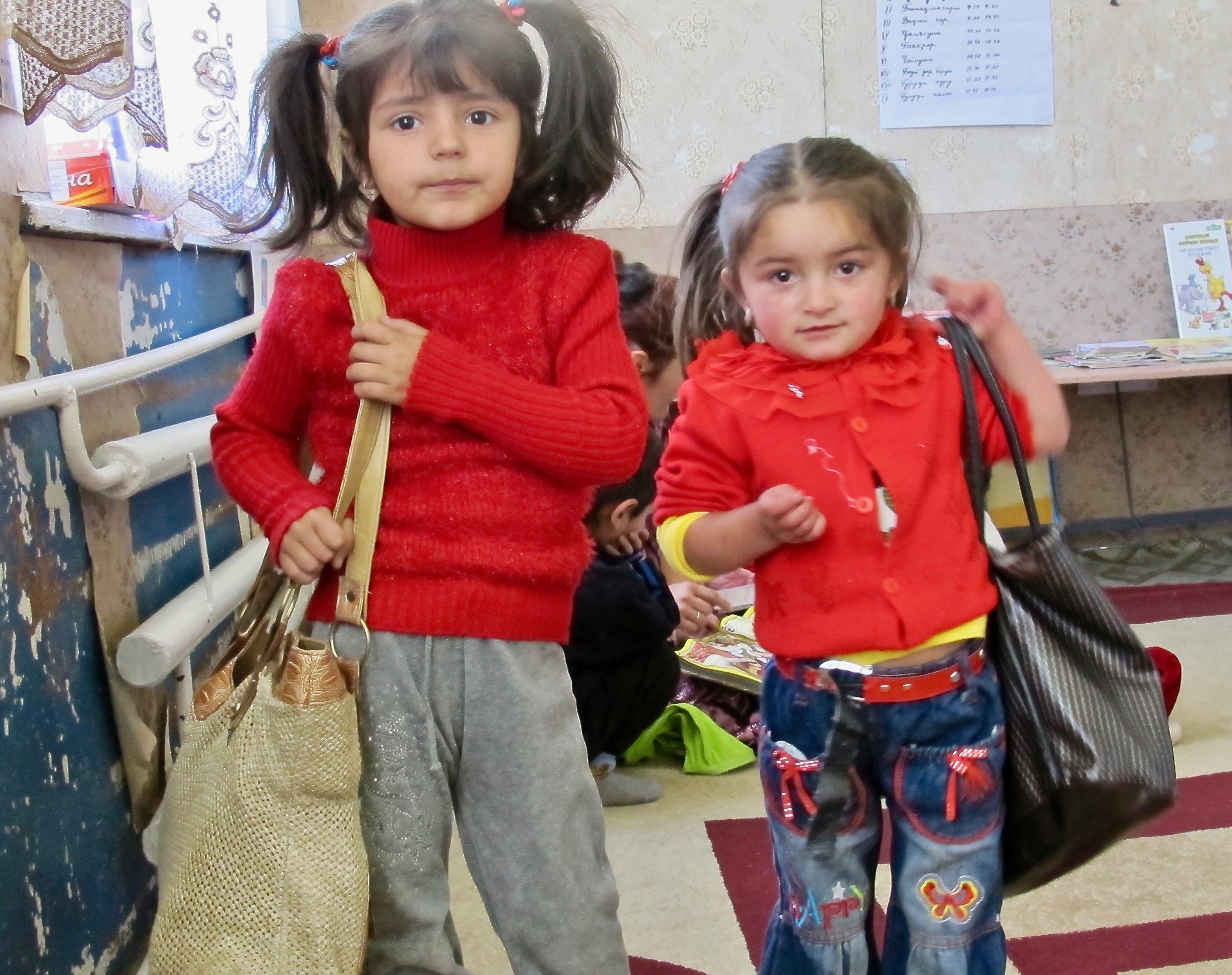
If you spend any time with children between the ages of 2 and 6, you will notice a great deal of imaginative thinking and play. In fact, it seems that pretending or imagining is the main form of play for this age group. Through imaginative play, children explore the world by acting out experiences with which they are familiar, often in their own, interesting ways. This kind of play, also known a pretend play, make-believe play or dramatic play, supports social and emotional development. Children often act out experiences that are a bit scary, and it is a way of gaining control. They can be leaders or followers and learn a great deal by negotiating roles with others e.g., who will be the mother? The teacher? The “bad guy”? The lion or elephant? Sociodramatic play, in which children pretend together and sustain roles, is often considered the most complex and highest form of play and is especially common among 4 and 5 year olds. Children also learn to problem solve and they negotiate roles, find or make props, elaborate on scenarios and so on.
An Australian study by Morrissey, Scott and Rahimi (2017) looked at the sociodramatic play of 4 and 5 year old children in two different outdoor play spaces – a traditional one with fabricated play structures as well as trees and foliage, and a naturalized one with logs, grassy areas, foliage, stepping stones, a gravel path and no fabricated structures. The study found that compared to the traditional play area, “children in the new naturalized playspace engaged in longer periods of play, and took on more demanding fantasy roles” (p. 190). They discuss a variety of features that promote sociodramatic play – natural elements, open-ended materials such as loose parts, and areas that are both secluded and quiet (as they explain, an abundance of plants and soft surfaces helps reduce noise). The next reading is a Children and Nature Network summary of this study.
Morrissey, Scott and Rahimi (2017) found that children in a natural, open-ended outdoor playspace spent more time in sociodramatic play and showed more imaginative play compared to when they played in an area with traditional structures. Why might this be?
What are the elements of dramatic play that seem to support self-regulation skills?
How could you explain this to parents who may question the role of imaginative play in an early childhood program?
Active and risky play
Many are concerned that today’s children are losing out on opportunities for “true” play – that is play that is self-motivated, meaningful, child-led and fun.
The Position Statement on Active Outdoor Play from the Child and Nature Alliance, provides evidence-based recommendations related to children’s access to active play in nature and outdoors.
The authors make a distinction between danger and risk. Can you think of examples that illustrate this difference?
The authors cite key research findings about active outdoor play. What surprised you? Did any of the findings change your beliefs about this type of play?

Concerns about safety – both physical safety in terms of potential injury and broader safety in terms of potential danger in the environment (perceived and real) – have sometimes curtailed children’s freedom and given them far fewer opportunities for active outdoor play than were likely enjoyed by their parents. At the same time, there is greater understanding of how outdoor, active, child-led play contributes to growing coping and competence and, of course, health.
It is important to be aware of the evidence that exists about recommended amounts of physical activity for children of different ages. The first article provides a summary of the evidence about sedentary behaviour recommendations for young children. The second website, the 24 Hour Canadian Movement Guidelines, provides a concise summary of amount of time young children of different ages should “move” “sleep” and “sit” each day.
In your experience, do you think children meet the recommended amounts of physical activity?
In an early childhood setting, what are the different ways children of different ages can “move”?
ParticipACTION is a Canadian organization that puts out regular report cards assessing physical activity in children and youth. Check out their 2018 report card and read the highlights to learn more about their holistic perspective on physical fitness and how Canadian children measure up.
Did any of the statistics in the report surprise you?
What is happening where you live to encourage more physical activity among young children?
The 2024 Children & Youth Report Card focuses on the effects of climate change on physical activity in children and youth. You can review this report card, below.
The next activity reviews some highlights from ParticipACTION’s 2024 report card.
A lot of outdoor active play takes place in playspaces that adults have planned for children. Around the world, play spaces for children vary widely in terms of what is typical and what meets safety regulations. Public play spaces for children, whether school playgrounds or play spaces in parks and child care centres, are a hot topic for research and debate. In North America, traditional playgrounds often include pre-made metal or wooden structures for climbing and swinging, built on asphalt surfaces. “Nature playgrounds” that emphasize natural elements over fabricated structures are gaining popularity, but they are not yet the norm.
Dr. Mariana Brussoni, from the University of British Columbia, specializes in the area of injury research and prevention. Listen as she describes research on how children play on traditional, prefabricated structures versus play areas with more variety, loose parts, and natural materials.
The game on the next page reviews the key points in this research section (pages 2 to 2.4).


