


3. Healthy preconception and prenatal behaviours

The translation of current prenatal research to practice may be empowering for childbearing-aged individuals, families and practitioners seeking to build healthy prenatal foundations for the next generation. The quality of our early environments gets “under our skin” with ongoing biological effects. Watch as Dr. Robin Williams, former associate chief medical officer of health for Ontario, presents her three main messages for family physicians and pediatricians working with this population.
Besides providing expected clinical care services which we know can have great influence towards more positive outcomes, Williams acknowledges the impact other determinants of health might have if they are further supported and strengthened during the provision of routine medical care. Specific areas where scaling up resources may be particularly helpful in protecting and promoting prenatal well-being include: improving nutrition, creating safer physical and social environments, and increasing social supports. Education is one way to strengthen influences in these areas through building health literacy and creating opportunities to access helpful resources. Listen as Dr. Alan Bocking, professor in the Department of Obstetrics and Gynaecology at the University of Toronto, emphasizes the need for health professionals to be a reputable source of relevant information.
Are you aware of reputable sources of prenatal health information where you live?
What about helpful prenatal community resources?
In the Report on the State of Public Health in Canada (2009): Growing up Well – Priorities for a Healthy Future, David Butler-Jones writes about various education campaigns and strategies that have had some success within the Canadian population in reducing prenatal risks. Read more on the Public Health Agency of Canada website about this in the “Education and awareness” subsection on pages 50 – 52 where it describes how partners and others are well positioned to support healthier prenatal environments.
Unfortunately, an increase in knowledge about healthy preconception and prenatal behaviours does not always translate into healthier practices for a variety of reasons. Self-esteem (how much an individual is able to value their own self) is one factor that can affect the degree to which knowledge about healthier behaviours is transferred into lifestyle choices. Listen as Dr. Maggie Morris, professor, Department of Obstetrics, Gynecology and Reproductive Sciences, University of Manitoba, discusses this evidence-based insight. She also gives examples of how she strives to apply this principle through valuing adolescents in her practice.
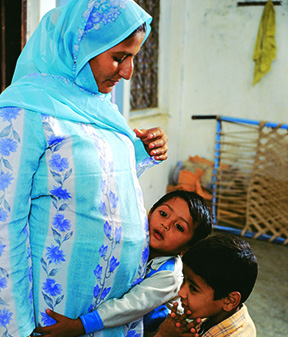
Within a particular cultural context, there are practices that may influence a pregnant person’s health, fetal well-being and outcomes in a positive direction. Listen as Dr. Wanda Phillips-Beck, nurse research manager with the First Nations Health and Social Secretariat of Manitoba, explains more in the next two videos about the value of building on positive traditional practices within Indigenous cultures when developing health promotion strategies for the prenatal period.


