


1.2 Pregnancy in context: Influences on fetal health

Pregnancy stories
The resource that follows includes information about pregnancy, baby’s development, the health care system, and traditional Inuit perspectives. The resource was developed by the AboutKidsHealth website, a division of the Hospital for Sick Kids in Toronto. See page 2 to read three stories about prenatal couples.
Can you identify strengths within each of the couples in these stories? What are some positive influences that may promote healthy prenatal development in the womb? What about challenges that may contribute to less than optimal fetal growth and development?
Are you aware of any types of resources that could provide additional support to couples experiencing various challenges during the prenatal period?
Body changes and nutritional needs in pregnancy
There are some similar physical changes experienced during pregnancy regardless of an individual’s larger environmental context. Discover more about these normal and expected adaptations in the following slides which are a modification of the infographic Body Changes During Pregnancy from a webpage by Rosecrans (2012) on the Healthline website.
In the next video, Dr. Maggie Morris highlights some of the incredible physiologic adaptations that support the body’s own need for homeostasis (internal equilibrium or balance) during the time it is also providing for the needs of the developing fetus.
Morris gives advice for adjusting to prenatal changes in gastrointestinal emptying time in the previous video. The brain’s regulation of satiety (feeling full after eating) occurs in part through signals from nerve cells and hormones in the gastrointestinal tract following food consumption (Ahima & Antwi, 2008, p. 812). Caloric needs increase prenatally especially during the second and third trimesters due to more rapid fetal growth, but not by as much as many people think. According to the Government of Canada (2026, April 23), a healthy extra daily snack or small meal is often enough to meet the additional demands of pregnancy. In pregnancies where multiple fetuses are developing, maternal nutrient needs are increased.
Even though the quantity of weight gain recommended will vary for individuals depending on their pre-pregnancy body mass index, the quality of this weight gain is important for every pregnant person. Healthy eating habits help nourish the pregnant individual and support the needs of the developing, growing fetus. Regularly eating a good variety of proteins (refers generally to plant-based proteins, dairy and meat sources) and whole grains, as well as aiming to fill half a plate with various fruit and vegetables at meals and for snacks is recommended – while also limiting one’s intake of sugar, sodium and saturated fats (Government of Canada, 2026, April 23). Further instructions include increasing one’s consumption of healthier fats, limiting exposure to mercury when eating a variety of fish, and eating plenty of iron-rich foods. Current advice from the Government of Canada (2026, April 23) regarding beverages in pregnancy goes beyond drinking healthy options like white milk or unsweetened, fortified plant-based beverages. Plenty of water is pointed out as important for a variety of reasons – such as helping the body carry nutrients to the pregnant person and to the developing fetus. (For more on nutrition, see page 3.1 “Improving Nutrition”.)
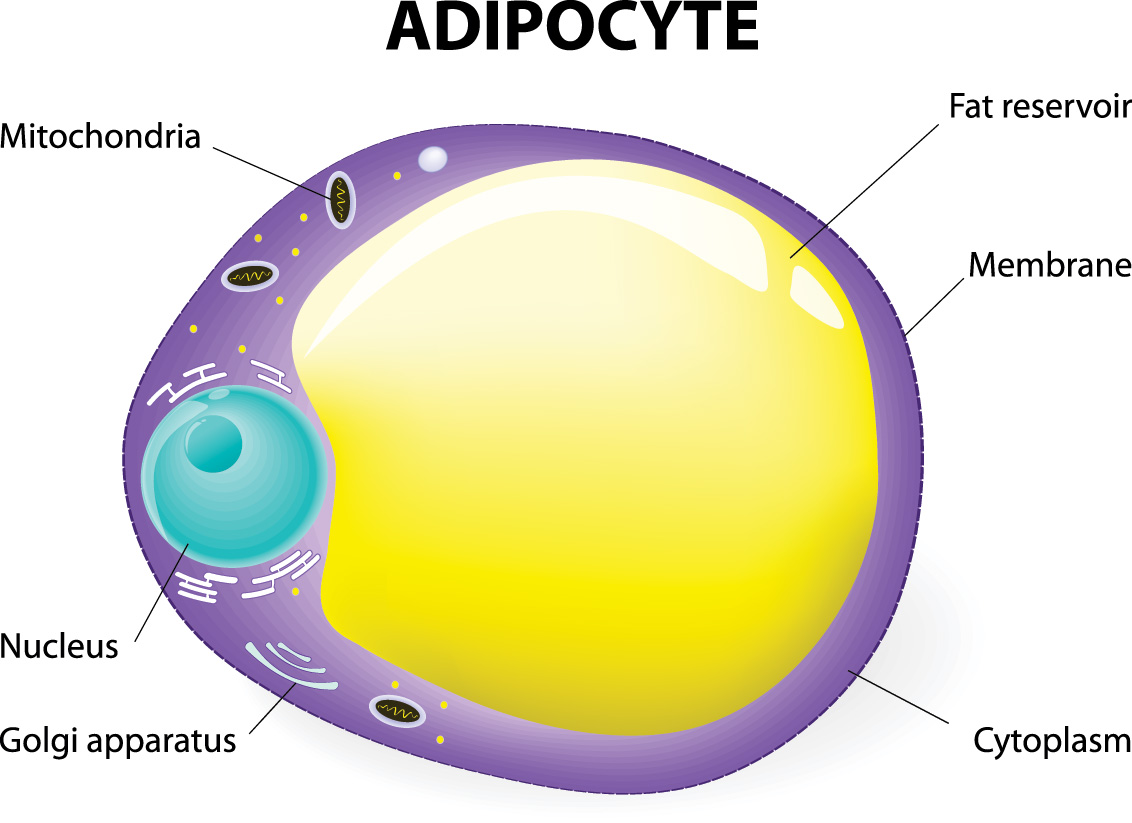
Ahima and Antwi (2008) explain that the regulation of feeding and energy expenditure occurs in the brain through complex pathways that involve signals sent not only from the gastrointestinal tract, but also from adipose (fat) tissue and other organs. They point out, over the longer term, body weight may be controlled in part through effects of insulin, leptin and metabolic hormones connected with fat stores (p. 812). The amount of leptin produced by adipose cells tends to be linked proportionately to amount of body fat (Faas et al., 2010, p. 52). Within the hypothalamus (located in the brain), leptin may act along with insulin to allow energy expenditure and inhibit appetite and food intake (Myers et al. as cited in Faas et al., 2010, p. 52). During pregnancy, there are increasing concentrations of leptin (Kratzcscm et al. as cited in Blackburn, 2013, p. 568). Scientists are exploring whether a form of leptin resistance might develop during pregnancy given the increase in appetite, food intake and energy demand experienced in this period (Faas et al., 2010, p. 52).
According to Promoting Optimal Fetal Development: Report of a Technical Consultation (World Health Organization [WHO], 2006), many elements outside of diet itself can potentially alter an individual’s nutritional status during pregnancy. Stress, excessive physical demands, infections, a shortened interpregnancy interval, alcohol, and smoking are examples of influencing factors identified within the report. Optimizing fetal growth and development may be directly or indirectly limited under these types of influences. A pregnant person’s metabolic proficiency in meeting varying fetal nutrient needs during the course of development combined with the type and extent of their nutritional reserves are foundational influences on actual nutrient availability to a fetus. Individualized care and support may be helpful for someone experiencing challenges to their nutritional status. Importantly, an individual’s ability to meet the demands of pregnancy may be improved – evidenced in better pregnancy outcomes – when they also have a better health and nutritional status at the time of conception (WHO, 2006, pp.18-19).
Determinants of health
Health in the Canadian population is determined by 12 key influences (Government of Canada, 2024, July 18). Outlined in the image below are some visual examples of what these determinants might look like at individual, family, group or system levels during the prenatal period.

Many determinants are interrelated and will overlap when exerting their effects on health. People may be affected in different ways by various determinants. For instance, a pregnant person’s nutritional practices may also be linked with a number of other determinants such as: income, education, culture, biology, physical environment, as well as their social supports and coping skills. Racism is now being recognized as a critical determinant of health for certain groups of people within Canada (Government of Canada, 2024, July 18).
Within the Indigenous population in Canada, there are various cultures, dialects, lifestyles, traditions and teachings. Dr. Wanda Phillips-Beck, nurse research manager, First Nations Health and Social Secretariat of Manitoba, explains some of the beliefs and practices she adopted for herself from the teachings she received while growing up in her own First Nation community.
How might factors such as history and more specifically, colonization, influence health at an individual, group or population level?
What cultures are represented where you live?
Are you aware of any particular precautions, restrictions, beliefs, traditions or practices during pregnancy or childbirth in these cultures?
What about in your own culture?
How might these influence gestational parent and fetal well-being?
Find out more about how culture can be an influence on health in the next reading, edited by Mayhew (2025) on the Caring for Kids New to Canada website.
Adversity and other maternal influences on the fetus
Alterations in how a fetus grows and develops may transpire when a person who is pregnant experiences health challenges. Listen to the next video as Dr. Alan Bocking gives examples of adverse environments that may affect fetal development.
Excessively high levels of stress during pregnancy associated with corresponding increases in a pregnant person’s stress hormone levels are mentioned by Bocking as one way fetal development can be altered. Next, Dr. Brandy Wicklow explains what we are learning about longer term outcomes for offspring when adversity in the form of violence or depression occurs during pregnancy.
Variations in mental health during pregnancy have also been associated with outcomes following childbirth. Listen as Dr. Cindy-Lee Dennis, professor in the Lawrence S. Bloomberg Faculty of Nursing and the Department of Psychiatry in the Faculty of Medicine, University of Toronto, describes various factors that increase risk for postpartum depression.
Which of the risk factors mentioned by Dr. Dennis are potentially modifiable during the prenatal or preconception periods?
Do you have ideas for how the health of individuals or groups at greater risk for depression in the postpartum period could be better supported during the prenatal period? What about prior to conception?
Age is another influence on health. There is currently an increasing trend in Canada towards later childbearing. Read more about advancing age and how it may influence pregnancy and fetal outcomes on The Society of Obstetricians and Gynaecologists of Canada website.
A younger gestational parent age may also overlap with health determinants like education and socioeconomics to influence well-being and fetal development. The following Adolescent Pregnancy fact sheet on the WHO website provides important information about adolescent aged pregnancies, which at the global level, have been identified as a factor that can contribute to the cycle of poverty.
Listen as Morris expresses some of the more common social and emotional challenges encountered by pregnant teens.
In the next two videos, Morris reveals some of the family, school, and mental health challenges that may be experienced within the adolescent prenatal population.
Morris lists addictions as a challenging concern during pregnancy. Alcohol or other drugs can be damaging to an embryo or fetus even when not consumed in large quantities or because of an addiction. Read more from SickKids staff about effects of prenatal alcohol on the AboutKidsHealth website.
A synthesis of research findings about Fetal Alcohol Spectrum Disorders (FASD) on the Encyclopedia of Early Childhood Development website explains more about why this topic is important, what is known through science, and what can be done with this information.
FASD is one of the leading neurodevelopmental disabilities in Canada. It impacts 4% of Canadians. That’s more than autism, cerebral palsy, and Down syndrome combined! (CanFASD, 2026)
Visit the CanFASD website to explore current research on prevention, diagnosis, and intervention topics. Learn how everyone has a role to play in supporting healthy pregnancies and intervention strategies for individuals and families with FASD.
The first of the two readings above identified possible challenges that may be experienced by those exposed to alcohol prenatally, including: lower birth weight, smaller brain size and difficulties with growth after birth. In the following video, Morris expands our understanding about prenatal factors that may contribute to fetal growth problems.
Poor glycemic (blood sugar) control in a diabetic pregnancy is an example of physical adversity that may affect fetal development, as discussed by Bocking in a video presented earlier on this page. Due to the various increased risks when a pregnancy is complicated by any type of diabetes, it is important to follow key strategies for managing these specific conditions effectively before and during pregnancy. Listen as Brandy Wicklow explains in more depth about how the condition of diabetes in pregnancy can generally affect the fetal intrauterine environment.
As we learned in the beginning of the module, processes that affect fetal development generally involve combinations of interrelated factors. In the next video, Morris describes the complexity of various environmental factors related to managing diabetes during pregnancy in the context of Manitoba.
Health disparities
Certain groups of people in Manitoba were identified by Morris in the previous video clip as being at an increased level of risk for the development of diabetes. Interestingly, we are learning more from the social sciences about the significance of various aspects of the social environment on the disparities we see in health. According to the Government of Canada, 2024, July 18), an individual or group may face additional socioeconomic-related health risks if they experience ongoing devaluation of their culture through factors such as a lack of access to culturally appropriate care, stigmatization, or marginalization by the dominant culture. In the next video, Dr. Chris Kuzawa explains how epigenetics has broadened our understanding of what may be contributing to some of the health disparities we see within populations.
Recent research continues to support the Developmental Origins of Health and Disease (DOHaD) framework, demonstrating that early-life environmental exposures including nutrition, stress, and toxins can program biological systems through epigenetic mechanisms, thereby increasing the risk of diseases across the lifespan and highlighting the need for early preventive public health strategies (Chan et al., 2024; Hildreth & Bay, 2025; Justulin et al., 2023).


