


2.2 Nutrition
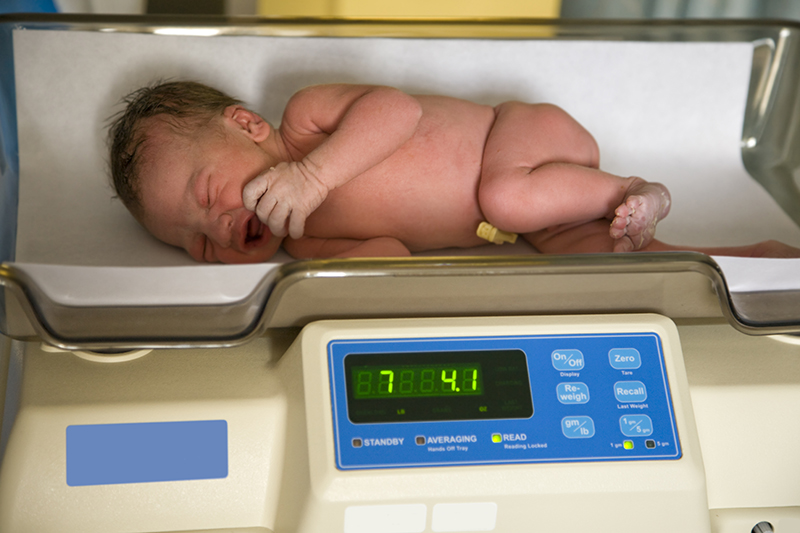
There is now increasing epidemiological evidence that fetal overnutrition – as judged from indicators such as maternal obesity, excessive gestational weight gain, and gestational diabetes (GDM) – can produce a similar offspring phenotype to that of undernutrition” (Barouki et al., 2012, “Nutritional imbalance,” para. 4 ).
Obesity, excessive weight gain & diabetes during pregnancy
The condition of obesity in a pregnant person is one of the indicators outlined in the quote above that may result in overgrowth during prenatal development, due to an intrauterine experience of overnutrition. Unfortunately, weight bias, stigma and discrimination results in much harm to people living with obesity. Health professionals should be appropriately trained for discussions around pre-pregnancy weight and healthy weight gain during pregnancy with their prenatal clients (see 3.1 for more information about this). Body Mass Index (BMI) can be used as a screening tool with specific cut-offs for weight-related categorizations, however, this tool does not diagnose conditions of obesity, overweight or underweight – only a healthcare provider can do that. Thus, the development of relationships with healthcare providers that feels safe to people of all shapes and sizes who are pregnant or are thinking about becoming pregnant is a critical aspect of quality prenatal care.
Look at the following figure from the Public Health Agency of Canada’s report What Mothers Say: Canadian Maternity Experiences Survey (2009) to see pre-pregnancy obesity rates of surveyed Canadian women. Consistent with the World Health Organization (WHO, 2025, December 8) Obesity and Overweight fact sheet definitions, the chart designates obesity as a Body Mass Index (BMI) weight for height value equal to or greater than 30, and overweight as a BMI equivalent or greater than 25. The underweight category is judged as a BMI of less than 18.5. The ideal or healthy prepregnancy BMI range exists between the underweight and overweight categories.
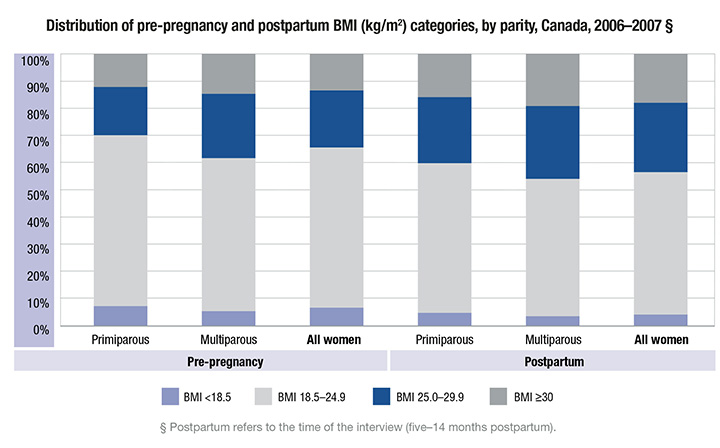
What do you notice about the prepregnancy overweight and obesity BMI categories? Do you have ideas for how childbearing-aged individuals could be better supported to achieve a healthy pre-pregnancy weight if they so desire? (More on this topic is available on page 3.1 ‘Improving nutrition’.)
Environments interact with heredity and nutrition in the development of obesity. According to Ward and Hisley (2016), during the adolescent growth stage, adipose (fat) cells develop quickly and appetite is often increased. “A child born to two obese parents has a 75% chance of being obese. A child born to parents where only one is obese has a 25% chance of being obese. The influence of hereditary must be considered in the context of the adolescence environment”, as well as environmental contributors such as, social, psychological and health influences on body composition during this developmental stage (Ward & Hisley, 2016, p. 93-94).
Since 1975, the prevalence of obesity has almost tripled across the globe (WHO, 2025, December 8). Listen as Dr. Bernard Crespi, professor in Biological Sciences at Simon Fraser University, explains more about the global trend towards obesity from an evolutionary biologist’s perspective.
Every environment may have its own unique set of forces acting in ways that either support or hinder access to healthy food. Consider the cost of select food items in the northerly Canadian territory of Nunavut in comparison to the general cost of these food items across Canada. Review the 2025 NFPS Price Comparisons Per Kilogram and Litre at the site below.
How might higher food costs translate to nutritional intake during the preconception period as well as to health during pregnancy?
What aspects of the larger environment influence your own nutritional “choices”, physical activity habits and health?
Can you identify any local environmental factors that support healthy nutrition practices for pregnant individuals where you live?
Can you identify any environmental factors that may contribute to fetal overnutrition or undernutrition in your own community?
Obesity during pregnancy can impact offspring’s health into adulthood, related to fetal programming/epigenetics influenced by insulin resistance, inflammation and stress oxidation that is associated with obesity, contributing to early placental and fetal dysfunction (Haq et al., 2025; Zhang et al., 2024). In the next video, Sir Peter Gluckman, who served as the inaugural chief science advisor to the Prime Minister of New Zealand, highlights nutritional and other factors that are emerging as influences on fetal development and longer term health, even prior to conception.
Read more about the evidence supporting the importance of the health of both biological parents in the preconception period on the next link to a summary of The Lancet article “Origins of Lifetime Health Around the Time of Conception: Causes and Consequences” by Fleming et al. (2018). This is the second article of the “Preconception Health” series on The Lancet website. You may register for free access to read the full text article on The Lancet website (or you may have access through your library). As Dr. Gluckman shared in the video above, we need to start paying attention to the parental contribution upon the embryo and offspring’s health. Current research is opening the landscape in fetal development to consider paternal lifestyle and environmental factors (obesity, smoking, exposure to toxins, and stress) that may impact the sperm epigenome having effects on the embryo, as well as life-long effects on the offspring (Akhatova et al., 2025).
Gingras and Oken (2019) explain more about how our earliest environments are linked with obesity and long term disease risk in the next reading on the Encyclopedia on Early Childhood Development website. Evidence underlying longer term risks to offspring associated with obesity, excessive gestational weight gain, gestational diabetes and smoking during the prenatal period are discussed – along with implications of these findings.
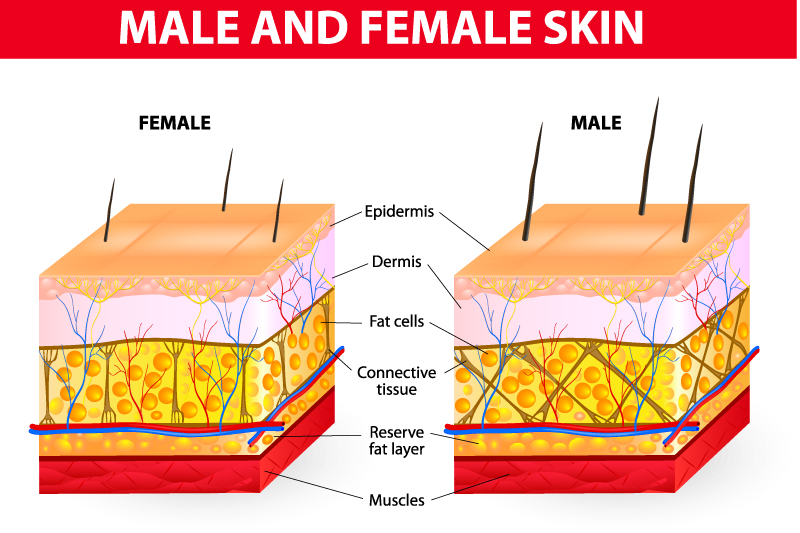
Obesity and overweight are defined by the WHO (2025, October 8) as “abnormal or excessive fat accumulation that may impair health”, which at a more basic level is caused by an excess of caloric intake beyond energy expenditure requirements. The image to the right provides a glimpse at what normal, healthy adipose or fat tissue looks like beneath the surface of the skin of those who are physiologically female and physiologically male. In cases of overweight and obesity, there may be greater amounts of fat surrounding body organs in addition to a greater amount of fat deposits beneath the skin.
According to the WHO (2025, October 8), overweight and obesity increases risk for cardiovascular disease, diabetes, some cancers, and musculoskeletal disorders. If obesity occurs in childhood, the list of increased risks includes not only premature death, disability or obesity in adulthood, but earlier elevated risks for psychological effects, breathing difficulties, insulin resistance, early markers of cardiovascular disease, hypertension, and fractures. Certain populations seem to be more vulnerable to the increasing trend towards obesity. Read more about social determinants and particularly vulnerable populations in the Obesity in Preconception and Pregnancy report, section 2.1 “Vulnerable populations” (page 11) You may click to download the report from ResearchGate.

Excessive gestational weight gain, often resulting from maternal overnutrition, is associated with an intrauterine environment characterized by excess nutrient exposure, which may program fetal metabolic pathways toward increased susceptibility to obesity later in life. Contributing factors include high dietary intake of energy-dense foods, reduced physical activity, and suboptimal prenatal health behaviours. These exposures may alter fetal metabolic regulation and increase long-term risk for obesity and related metabolic disorders through developmental programming mechanisms of the offspring (Li et al., 2024). However, important to note, maternal weight gain during pregnancy is influenced not only by behavioural factors but also by endocrine and metabolic adaptations that regulate energy balance and lipid metabolism. In early pregnancy, circulating levels of leptin increase markedly, reflecting both adipose tissue expansion and placental hormone production that are involved in regulating satiety and energy storage. Concurrently, pregnancy is characterized by progressive insulin resistance, which facilitates greater nutrient availability to the fetus while also promoting maternal fat deposition. Together, these hormonal adaptations contribute to increased energy storage during gestation and play a central role in regulating gestational weight gain (Barrett & McCance, 2023; Downs et al., 2024; Ikenoue et al. 2023).
In the report above, Obesity in Preconception and Pregnancy on the Best Start Resource Centre website, read about how obesity, excessive gestational weight gain and gestational diabetes can contribute to a fetal experience of overnutrition with potential adverse outcomes. Begin with the “Executive Summary” on the second page of the document. Then, read section 4.0 “Maternal Obesity and Gestational Weight Gain” (pages 18-27), paying particular attention to section 4.2.5 “Postnatal and Downstream Child Health” (pages 24 – 25), where longer term outcomes such as increased offspring risk for metabolic disorders are discussed. Note: Document page numbers do not align with PDF page numbers – document page numbers referenced.
Normal insulin resistance in a pregnant person, which helps the fetus to receive the glucose it requires for growth and development, may be impaired if obesity is present. In fact, Nelson et al. (2010) point out that this more exaggerated type of maternal insulin resistance associated with obesity may result in fetal exposure to hyperglycaemia (high blood sugar levels), and excessive amounts of other nutrients (amino acids and available free fatty acids) transferring across the placenta (p. 259). As mentioned in the previous reading, insulin resistance may develop within the fetus itself prior to birth due to challenges associated with the provision of excessive amounts of glucose (Catalano et al. as cited in Best Start Resource Centre, 2013).
Findings by Walsh et al. (2014) reveal there are potential consequences due to altered leptin levels in the prenatal period – specifically, disordered intrauterine growth and possible programming towards metabolic dysfunction and obesity in childhood. Not surprisingly, their findings showed that babies of a higher birth weight were born to gestational parents who had higher leptin levels and were of a higher weight distribution in early pregnancy. What their work more surprisingly revealed was that in the healthy, non-diabetic population studied, there were significant links noted between gestational parent and fetal insulin resistance and leptin, independent of gestational parent BMI. They propose that in the future, leptin might be explored as an objective biological measure (known as a biomarker) for insulin resistance in utero.
Recent evidence indicates that cord blood leptin concentrations vary according to fetal growth status, with small-for-gestational-age (SGA) infants exhibiting significantly lower leptin levels and large-for-gestational-age (LGA) infants demonstrating higher concentrations. These differences are thought to reflect variations in fetal adiposity and intrauterine nutrient exposure, given the strong association between leptin levels, birth weight, and body fat mass (Pekal et al., 2022).
As outlined in 1.1 Womb as Environment, the placenta is a key regulator of the intrauterine environment and fetal development. Maternal obesity, often associated with gestational diabetes, can alter placental structure and function, leading to impaired lipid metabolism, increased oxidative stress, and heightened inflammatory activity. These changes may compromise placental efficiency and influence fetal development. Offspring of mothers with obesity have been shown to exhibit elevated inflammatory markers and altered immune responses, potentially reducing their ability to respond effectively to infections. Importantly, these effects may persist postnatally, contributing to longer-term metabolic consequences such as hepatic fat accumulation and chronic physiological stress, with evidence suggesting that male offspring may be more adversely affected (Akhatova et al., 2025).
Listen as Dr. Brandy Wicklow, associate professor in the Department of Pediatrics and Child Health at the University of Manitoba, clinical investigator with the Children’s Hospital Research Institute of Manitoba and pediatric endocrinologist, discusses revealing statistics about the increased levels of longer term offspring risks associated with different types of diabetes during pregnancy.
According to the Maternal Diabetes in Canada fact sheet developed by the Canadian Perinatal Surveillance System, there has been an increase in gestational diabetes across Canada (excluding Quebec) from 40.8 per 1000 deliveries in 2004/2005 to 54.5 per 1000 deliveries in 2010/2011 (Public Health Agency of Canada, 2014b). Over that same time frame, they report type 1 diabetes rates have remained stable however rates of maternal type 2 diabetes also increased from 2.9 per 1000 deliveries in 2004/2005 to 4.3 per 1000 in 2010/2011.
Watch as Wicklow discusses some of the research questions currently being explored in her fetal origins of type 2 Diabetes research.
Next, Wicklow highlights what her research will be exploring about epigenetic changes during development.
In the earlier Best Start Resource Centre reading Obesity in Preconception and Pregnancy, Figure 2 on p. 24, “Intergenerational Cycle of Obesity” illustrated the concept of an intergenerational cycle of obesity. Consider the statistics in the following quote about gestational diabetes (GDM). “In Canadian First Nation populations, GDM may explain up to 30% of the highly increased incidence of type 2 diabetes in the next generation. These trends are generating a vicious trans-generational cycle of ‘diabesity’ ” (Barouki et al., 2012, “Nutritional imbalance” para. 5).
Earlier in the module, the 12 main determinants of health for the Canadian population were discussed. Reading and Wien (2009/2013) outline social determinants specific to Indigenous people’s health that include proximal, intermediate and distal influences.
Consider in particular how the distal determinants they describe of colonialism, racism/social exclusion, and self-determination may influence well-being for people who identify as part of this population.
What do you think could help to strengthen these determinants in a positive direction?
Listen as Wicklow explains more about research discoveries unfolding as the cohort of offspring born to parents diagnosed with type 2 diabetes in their own childhoods are followed.
Watch the following video to hear more from Dr. Chris Kuzawa, professor and faculty fellow at the Institute for Policy Research in the Department of Anthropology at Northwestern University, about how the hormone leptin in breast milk may be protective in the prevention of diabetes and/or obesity.
As noted on the epidemiology page, it is important to reach people with breastfeeding education during the prenatal period. This prenatal knowledge may impact the future development and well-being of offspring. Although some of the research mentioned on this page is preliminary, the benefits of breastfeeding for a variety of other outcomes are well supported by research. The translation of current scientific information is integral to helping individuals who are pregnant make informed decisions during the prenatal period about whether to breastfeed – in particular, conveying how breastfeeding may be especially protective for offspring at a higher risk for future disease.
Unbalanced nutrition
A balance of nutrients in adequate amounts during pregnancy supports the health of a pregnant person and the development of the fetus. Maternal nutritional status is a critical determinant of fetal and offspring health, as adequate intake of both macronutrients and micronutrients supports placental growth and function, increases maternal metabolic demands, and facilitates optimal fetal development. A balanced and diverse diet rich in essential nutrients, such as protein, iron, calcium, folate, and iodine, is associated with improved pregnancy outcomes. In contrast, inadequate maternal nutrition is strongly linked to adverse outcomes, including small for gestational age (SGA), preterm birth, intrauterine growth restriction (IUGR), and increased risk of fetal morbidity and mortality. (Dassie et al., 2026; WHO, 2016)
Unbalanced prenatal nutrition, for example through either too much or too little of a particular nutrient, is surprisingly more common than many people may realize. Sir Gluckman enlightens us with some interesting statistics.
Across the globe, certain difficulties may result in undernourishment of the fetus. These include fetal nutrition supply line complications (e.g., placental insufficiency), unbalanced or inadequate nutrition during pregnancy, suboptimal body composition, or an excessively demanding physical workload prior to and during pregnancy (Barouki et al., 2012, “Nutritional imbalance,” para. 1).

Maternal undernutrition and inadequate gestational weight gain are strongly associated with adverse fetal outcomes, including low birth weight and preterm birth. These outcomes are not only related to dietary intake but are also shaped by those broader social determinants such as poverty, food insecurity, low education, and limited access to healthcare, highlighting the importance of addressing both nutritional and socioeconomic factors during pregnancy (Buccino, 2022).
One of the foundations for fetal growth are amino acids, which can be derived (to an extent) from the gestational parent’s protein sources. Dr. Daniel Hardy, associate professor in the departments of Obstetrics & Gynaecology and Physiology & Pharmacology at Western University, has been studying the developmental effects on offspring when there are inadequate amounts of maternal protein in the prenatal period. Play through the next slide show, clicking on the audio icons at the bottom of each slide, to hear Hardy explain what his animal research is revealing about these effects and the mechanisms through which this type of fetal programming may occur.
The Microbiome
A fascinating newer area of science being explored is the microbiome, which is the microbes living on and in our bodies. The maternal microbiome plays a critical role in shaping fetal development through a variety of interconnected pathways. It can influence brain development via immune and metabolic signaling, support immune system programming by helping the fetus distinguish between self and foreign, and also contribute to metabolic health, affecting the offspring’s future risk of conditions, such as obesity and diabetes. Additionally, the maternal microbiome helps regulate inflammation levels during pregnancy, which is essential for optimal placental function and nutrient exchange. However, several factors can disrupt the maternal microbiome, including poor diet (particularly low fiber and high processed food intake), antibiotic use, maternal obesity or diabetes, high stress levels, and infection or inflammation. Overall, the maternal microbiome plays a major role in placental function, fetal immune development, and long-term health programming, highlighting that exposures during pregnancy can have lasting effects well into the offspring’s adulthood (McMaster University, 2023; Kennedy et al., 2025).
For example, research done with mice suggests that bacteria in the maternal digestive tract appear to stimulate blood vessel development of the placenta. In several experiments, researchers showed that female mice deprived of digestive tract bacteria produced fetuses with undersized placentas that had underdeveloped blood vessels. Similarly, exposure to microbial metabolites (bacterial by-products) in laboratory studies has been shown to induce human placental cells to form network structures resembling early-stage blood vessels. These preliminary findings suggest that interactions between the maternal microbiome and placental development may play a significant role in shaping both fetal and maternal health (Pronovost et al., 2023).
Research examining the relationship between the maternal microbiome and prematurity has evolved from foundational work by Alan Bocking to more recent, large-scale predictive studies. Early research by Bocking and colleagues demonstrated that women who experience spontaneous preterm birth often exhibit a less stable vaginal microbiome, characterized by reduced dominance of protective Lactobacillus species and increased microbial diversity, which is associated with heightened inflammation and infection risk leading to premature birth. This body of work supports the concept that a stable, low-diversity microbiome may be protective during pregnancy, whereas disruptions in microbial balance (dysbiosis)—particularly within the gut, characterized by a reduction in beneficial microorganisms and overgrowth of potentially pathogenic species—can activate inflammatory pathways associated with an increased risk of preterm labour.
Watch as Dr. Alan Bocking explains more about this emerging area of science known as the microbiome.
Explore more about the microbiome with interesting readings and interactive activities at the University of Utah’s Genetic Science Learning Center on the Learn.Genetics website. Under the “Micro-Interactions” section on the right side of the page, click on “The Microbiome And Disease” for intriguing information about how the microbiome may influence in particular three conditions discussed earlier on this page – diabetes, malnutrition and obesity. Also in this section, “Your Changing Microbiome” interestingly explains how microbiome development differs in babies born by cesarean section as compared with those who pass through the vaginal canal at birth.
We are just beginning to discover how fetal and early childhood growth and development can be affected by the human microbiome. In the following video, Dr. Bocking provides three examples of ways the microbiome may influence early development.
Bocking mentions breastmilk as one of the ways the infant’s microbiome may be affected in early development. Watch as Dr. Meghan Azad describes how breastmilk may contribute to the infant microbiome.
There has been recent thought-provoking research from Bocking’s lab about probiotics and preterm labour. In Bocking’s preceding video, he mentions the timing of birth might be influenced by the vaginal microbiome. Recall from the module overview some of the more common challenges that a baby born prematurely may face, such as issues related to breathing, circulation, and digestion. The younger the gestational age and the smaller the birth weight of a baby, the greater the challenges faced tend to be. For further information about potential longer-term consequences from prematurity, read the following synthesis regarding prematurity from the Encyclopedia on Early Childhood Development website.
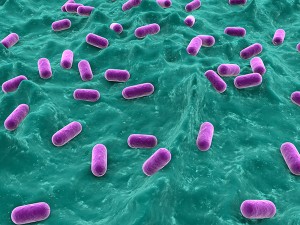
In many instances, a premature birth occurs even when there are no known risk factors present prior to birth. Risk factors do not determine that a pregnancy will result in an earlier birth, however they do help to identify those who are more likely to deliver early. Research into the possible causes of premature labour is ongoing. According to Gammill et al. (2012), “a large body of evidence suggests that intra-amniotic infection and inflammation are important causes of early preterm births, particularly before 28 to 30 weeks of gestation” (p. 77). In a pregnant person, a bladder, kidney, vaginal or cervical infection is not uncommon and may increase the risk of experiencing a premature labour (SOGC, 2011). Additionally, more recent work of Ray (2025) highlights that distinct microbial profiles and specific bacterial species are associated with preterm birth, and that microbial risk scoring models may allow for early identification of at-risk pregnancies.
Listen as Alan Bocking explains research findings from his lab about how probiotics, which are healthy bacteria, may help to prevent preterm birth in animal models.
It will be fascinating to learn how this animal work may translate to the human setting in the future. For example, it will be of great interest to uncover when or how nutritional probiotics may be helpful or harmful to the development of a human fetus and how healthy bacteria may influence timing of birth.
Further to this, more recent work builds on Alan Bocking’s findings of the early foundational microbiome–prematurity research. Similarly, Silveira and Ting (2024) emphasize that microbiome-related influences extend across the maternal–fetal–neonatal continuum, affecting placental function, immune development, and neonatal outcomes. This emerging research is shifting toward early detection and targeted interventions, although further studies are needed before routine clinical application can be established.
Physical Activity
Emerging evidence suggests that healthy lifestyle modifications during pregnancy, including increased physical activity, reduced sedentary behaviour, and targeted nutritional support (e.g., amino acid intake), may positively influence placental structure and function, as well as fetal development. Despite established clinical recommendations to initiate or maintain exercise during pregnancy, adherence remains suboptimal, with only approximately 40% of individuals engaging in regular physical activity.
Pregnancy represents a critical window during which individuals may be particularly receptive to adopting health-promoting behaviours that benefit both maternal and fetal outcomes. To improve adherence, however, exercise recommendations must be practical and individualized with follow-up from healthcare providers. Regular physical activity has been shown to alleviate common pregnancy-related discomforts and may also enhance physical preparedness for labour and delivery (Cooper & Yang, 2023).
According to Cooper and Yang (2023), exercise during pregnancy is now widely recognized as safe and beneficial for most pregnant individuals, challenging earlier beliefs that it could increase risks, such as preterm labour or low birth weight. Evidence from meta-analyses shows that moderate-intensity aerobic and strength exercise (about 150 minutes per week)does not increase the risk of preterm birth or low birth weight in uncomplicated singleton pregnancies and may instead improve maternal and fetal outcomes.


