


2. Developmental health research
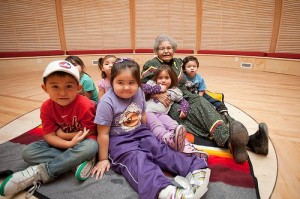
Research related to developmental health tries to unravel how early child development is shaped by experiences and environments that are, in turn, shaped by social and economic conditions.
This section includes several examples of research that looks at questions such as:
- How important are early experiences to development?
- What do we know about the social determinants of health?
- What do socio-economic gradients tell us about promoting healthy development?
- How can we use information about the economics of early childhood investments to promote better policies for healthy communities?
As you watch the following clip from the video, Family Resource Programs: Supporting the early years, enjoy the images of children having fun together, play and learning, and the sense of well-being that is exuded by both children and parents in this setting.
What are the elements of family resource programs that support child development?
What elements support parents?
A developmental health perspective considers the well-being of populations. We need data to give us an accurate picture of how all children are doing to plan the most effective kinds of supports for children and families. Thinking we know the right answers is not enough to make the best decisions about public policy and expenditures. Good population data is powerful evidence.
Australian epidemiologist Dr. Fiona Stanley explains why it is important for people who are going to work directly with children and families to understand population data.
Listen now as Dr. Noralou Roos compares how different risk factors impact a chlid’s health – social factors such as having low-income parents or a teen mother and biomedical factors, such as being born prematurely or at a low birth weight.


